
Developmental Science & Applied Learning Lab (DSALL)
About Us
We investigate how people learn, adapt, develop, and thrive across the full lifespan and across the full range of human minds. Our research spans digital environments, cultural and linguistic contexts, and neurocognitive diversity, always asking the same underlying question: what conditions allow every individual to feel capable, connected, and genuinely part of the learning communities they inhabit?
Our Mission
To produce rigorous, open, and actionable knowledge about meta-learning, development, and well-being across diverse minds, languages, and digital landscapes while training the next generation of scientific thinkers. DSALL is grounded in the belief that developmental science is most powerful when it takes seriously the full diversity of human experience. We study learners who are neurodivergent and neurotypical, monolingual and multilingual, traditional-age and adult, first-generation and continuing-generation, digitally immersed and digitally ambivalent. Our findings are shared openly to have an open dialogue about what we learn.
Join us
DSALL welcomes students interested in research on learning, development, neurodiversity, digital well-being, and bilingual cognition. Faculty and practitioners interested in collaboration are also warmly invited to reach out.
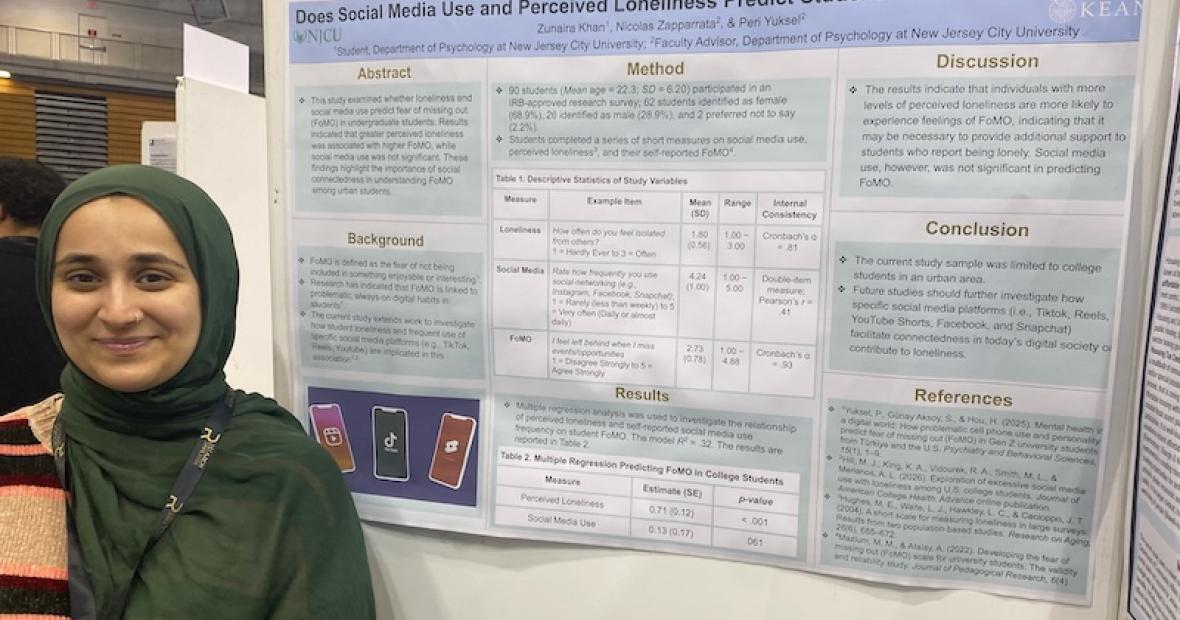
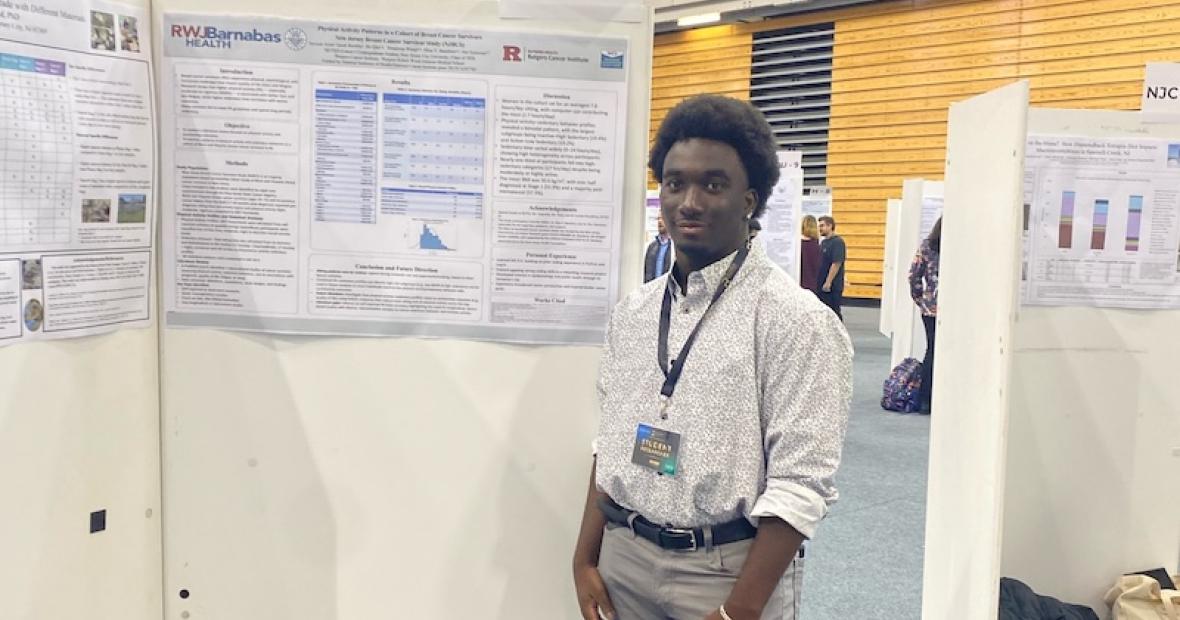
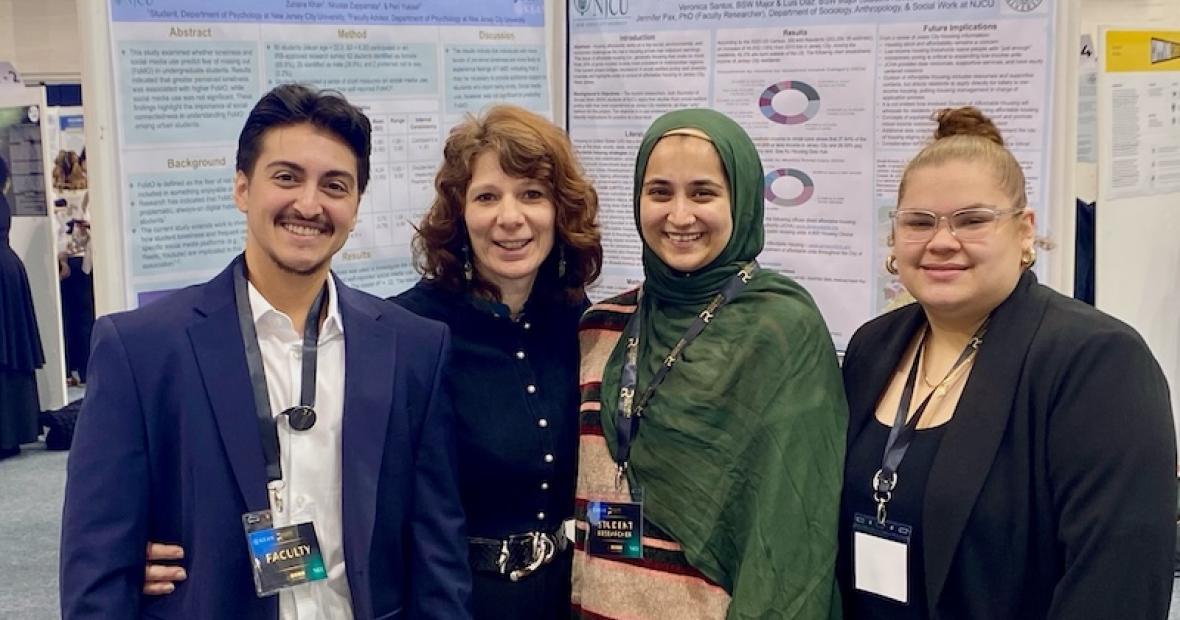
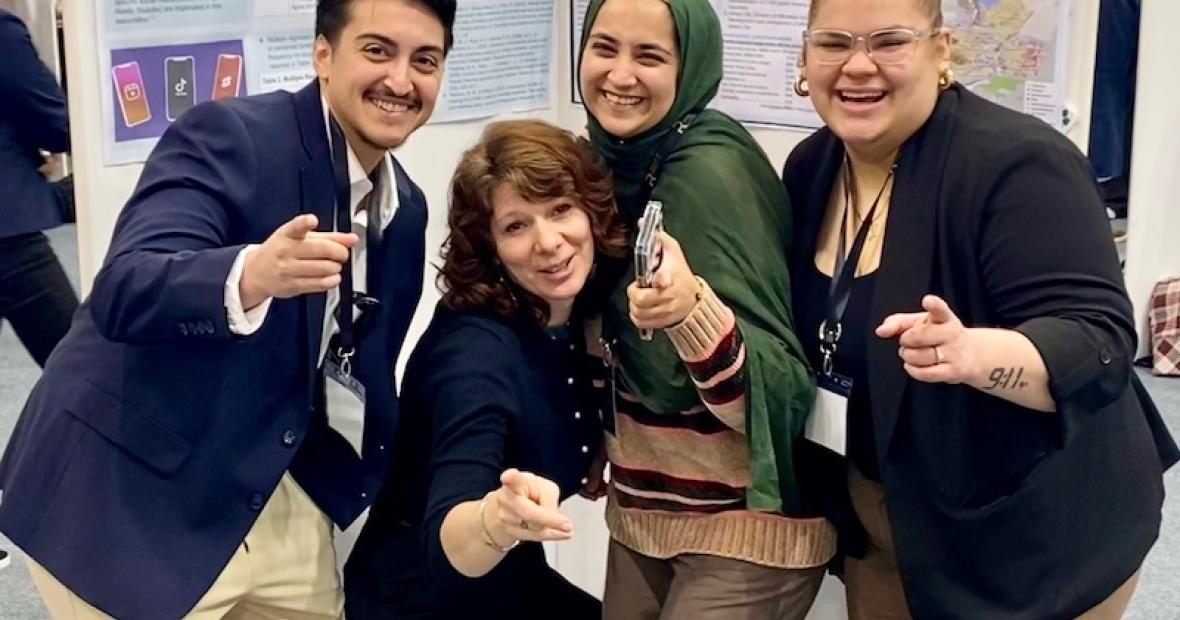
DSALL LAB Research Days 2026 - The Undergraduate Research Poster Symposium at Kean.
DSALL LAB Research Days 2026 - The Undergraduate Research Poster Symposium at Kean.
DSALL LAB Research Days 2026 - The Undergraduate Research Poster Symposium at Kean.
DSALL LAB Research Days 2026 - The Undergraduate Research Poster Symposium at Kean.
Investigating Lab Directors
Peri Yuksel, PhD | Associate Professor, Department of Psychology, NJCU
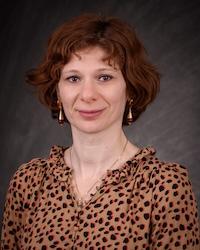
Dr. Yuksel earned her Ph.D. in Human Development with a focus on Cognitive Psychology from the Graduate Center of the City University of New York. Her research and teaching span developmental psychology across cultures, digital mental health, bilingual and cross-cultural cognitive development, trauma-informed pedagogy, and the Scholarship of Teaching and Learning (SoTL). She studies psychological and social conditions that shape learning and wellbeing from early development through adulthood, with particular attention to first-generation, immigrant-background, multilingual, and neurodivergent learners.
Dr. Yuksel brings a deeply cross-cultural lens to her work. Her multilingual/-cultural background navigating academic life across languages and cultures is not incidental to her scholarship; it is its foundation.
Her current research examines Academic Fear of Missing Out (FoMO), AI dependence, and digital distress among Gen Z students — investigating how AI-integrated academic environments reshape belonging, self-efficacy, and persistence. She has delivered keynote addresses on AI disruption in higher education and facilitated workshops at minority-serving institutions on digital wellness and responsible technology use. Since 2018, Dr. Peri Yuksel has chaired the Annual NJCU Pedagogy Day, a campus-wide initiative advancing inclusive, innovative, and student-centered teaching and learning to bring together disciplines for open dialogue and exchange of best practices grounded on empirical data.
Nicolas Zapparrata, PhD | Assistant Professor, Department of Psychology, NJCU
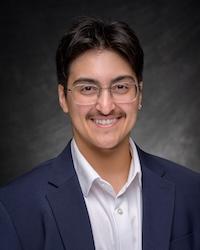
Dr. Zapparrata earned his PhD in Educational Psychology with a specialization in quantitative methodology and applied statistics. He worked as a Psychometrician at a testing company for three years before becoming a full-time faculty member at NJCU. His research includes both the investigation and application of robust statistical modeling techniques across various areas in psychology and education. Dr. Zapparrata's current research focuses on utilizing Bayesian statistics in meta-analyses on clinical groups, applying structural equation modeling to analyze data, and the investigation of information processing in neurodevelopmental disorders. He is also interested in student learning outcomes assessment, promoting statistical literacy through course curriculum/design, and facilitating active learning in students through his instructional approaches. He teaches a mixture of graduate and undergraduate courses that are primarily quantitatively focused, such as, but not limited to Statistics, Experimental Psychology, Research Methods, and Tests and Measurement. More recently, Dr. Zapparrata is collaborating with Dr. Yuksel in researching student loneliness and Fear of Missing Out (FoMO) and has assisted with workshops (i.e., Annual NJCU Pedagogy Day) to facilitate student connectedness at a minority-serving institution.
Team Members
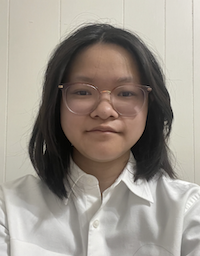
Chloe is a second-year undergraduate psychology student with a strong interest in all things language. She is particularly interested in language acquisition, especially second language acquisition, as well as semantics and pragmatics.
Her goal is to eventually work on translation technology to help build bridges between individuals from different linguistic backgrounds. Although Chloe is new to research, she's excited to be able to contribute to work she's passionate about that has meaningful real-world applications, and to learn as she does!

Danna Soria is an undergraduate psychology student with a strong interest in social psychology, human behavior, and the ways individuals develop across different stages of life. Her academic interests include social development, mental health, interpersonal relationships, and the influence of environmental and social factors on psychological well-being. She is particularly interested in understanding how people think, feel, and behave within different social contexts and how these experiences shape development throughout the lifespan.
Danna is especially interested in exploring how social environments, family dynamics, culture, and peer relationships influence psychological growth and identity formation. She is also passionate about examining the connections between social psychology and mental health, including how social experiences can affect emotional well-being, self-concept, and resilience.
As a member of the DSALL Lab, Danna is excited to investigate contemporary psychological phenomena such as Fear of Missing Out (FOMO) and the ways social influences impact behavior across different age groups. She is particularly interested in understanding how developmental stages and environmental contexts interact to shape individuals' experiences, decision-making, and mental health outcomes. Through research, she hopes to contribute to a deeper understanding of human behavior and promote evidence-based approaches that support psychological well-being across diverse populations.
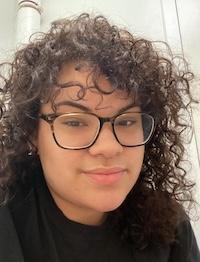
Eliana Negron is a junior college student with a strong interest in psychology and the growing role of generative AI in everyday life. Her work explores how tools like AI influence thinking, learning, and emotional processes, with a focus on college students’ experiences. She is especially interested in topics such as emotional intelligence, stress, and cognitive functioning, and aims to contribute research that connects technology with human behavior.
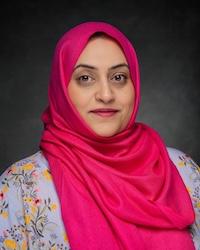
I am a psychology graduate of New Jersey City University, where I earned my B.A. with a 3.98 GPA. My academic and professional work reflects a strong commitment to equity in mental health and education. As Outreach Coordinator at the NJCU Counseling Center, I have led initiatives to expand access to mental health resources for marginalized student communities, supervised graduate trainees, and helped develop data-informed workshops and prevention programs. I have also held leadership roles in academic support programs, including Assistant Director for Proyecto Science, where I helped oversee student programming and diversity initiatives. My research interests focus on the challenges faced by non-traditional college students and the development of inclusive, evidence-based interventions in education and mental health. I aspire to pursue a doctoral degree and become a researcher-practitioner.
What excites me most about research is its power to turn lived experiences into actionable knowledge that can improve programs, policies, and systems.
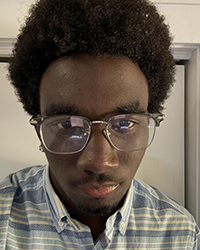
Saviour Ayim is a second-year undergraduate biology student with a strong interest in physiological sciences, women’s health, health disparities, and public health. His academic interests include developmental physiology, women’s health outcomes, and the ways sociocultural and environmental factors shape biological, behavioral, and developmental processes. As a member of the DSALL Lab, Saviour is especially interested in helping translate scientific research into clear, readable, and accessible information for broader audiences, particularly underserved and disadvantaged communities beyond academia. He values research as a way to better understand how people develop within rapidly changing social environments.
Saviour is particularly excited to explore how siblings’ career aspirations may be shaped by sociocultural and environmental influences. He is also interested in how artificial intelligence is becoming increasingly integrated into the lives of undergraduate students, including the potential benefits and challenges this may create for his generation.
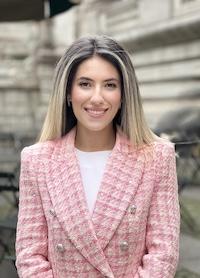
Sidal Yurt is a graduate student in Clinical and Counseling Psychology at William Paterson University. Her research and clinical interests center on developmental processes, relationships, and the role of culture in shaping mental health across the lifespan. She is especially interested in immigrant families, international students, first-generation college students, and individuals in intercultural and interracial relationships, with a focus on identity, belonging, attachment, and relational dynamics. Drawing from her bi-cultural background and fluency in Turkish and English, Sidal brings a valuable culturally informed perspective to questions of psychological well-being and adjustment across diverse communities. Her experience includes both quantitative and qualitative research, as well as clinical training in evidence-based and culturally responsive care.
At the Developmental Science & Applied Learning Lab, Sidal is excited to explore how developmental, relational, and sociocultural factors intersect and to contribute to research that supports more accessible mental health care for diverse populations.
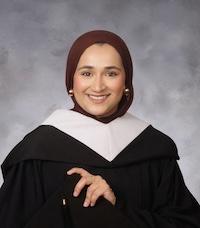
Zunaira Ashraf Khan is a senior undergraduate student preparing to graduate in May 2026 and begin a graduate program in Clinical Mental Health Counseling in the Fall at Montclair. She has a strong interest in psychology, human development, and culturally responsive care, particularly within diverse communities. Zunaira is especially interested in working with individuals and families and aims to provide compassionate, strengths-based support. Following her graduate studies, she hopes to pursue a PsyD to further expand her clinical training and impact in the field of mental health.